 In a world of CGI blockbusters and TikTok trends, there’s something quietly
magical about watching a hand-carved puppet glide across a shadow-lit screen—or
seeing a marionette "dance" to the beat of a wooden drum.
In Southeast Asia, puppet
theater is more than entertainment. It’s storytelling,
spirituality, craft, and cultural heritage all rolled into one. And the best
part? You can still see it live—in village squares, ancient temples, and
tucked-away theaters where time slows down and the puppets take center stage.
Here’s where (and how) to experience the beauty of traditional puppet theater in
Southeast Asia—no subtitles needed.
In a world of CGI blockbusters and TikTok trends, there’s something quietly
magical about watching a hand-carved puppet glide across a shadow-lit screen—or
seeing a marionette "dance" to the beat of a wooden drum.
In Southeast Asia, puppet
theater is more than entertainment. It’s storytelling,
spirituality, craft, and cultural heritage all rolled into one. And the best
part? You can still see it live—in village squares, ancient temples, and
tucked-away theaters where time slows down and the puppets take center stage.
Here’s where (and how) to experience the beauty of traditional puppet theater in
Southeast Asia—no subtitles needed.
1. Wayang Kulit – Indonesia
(Java & Bali)
If you only see one form of Southeast Asian puppet theater,
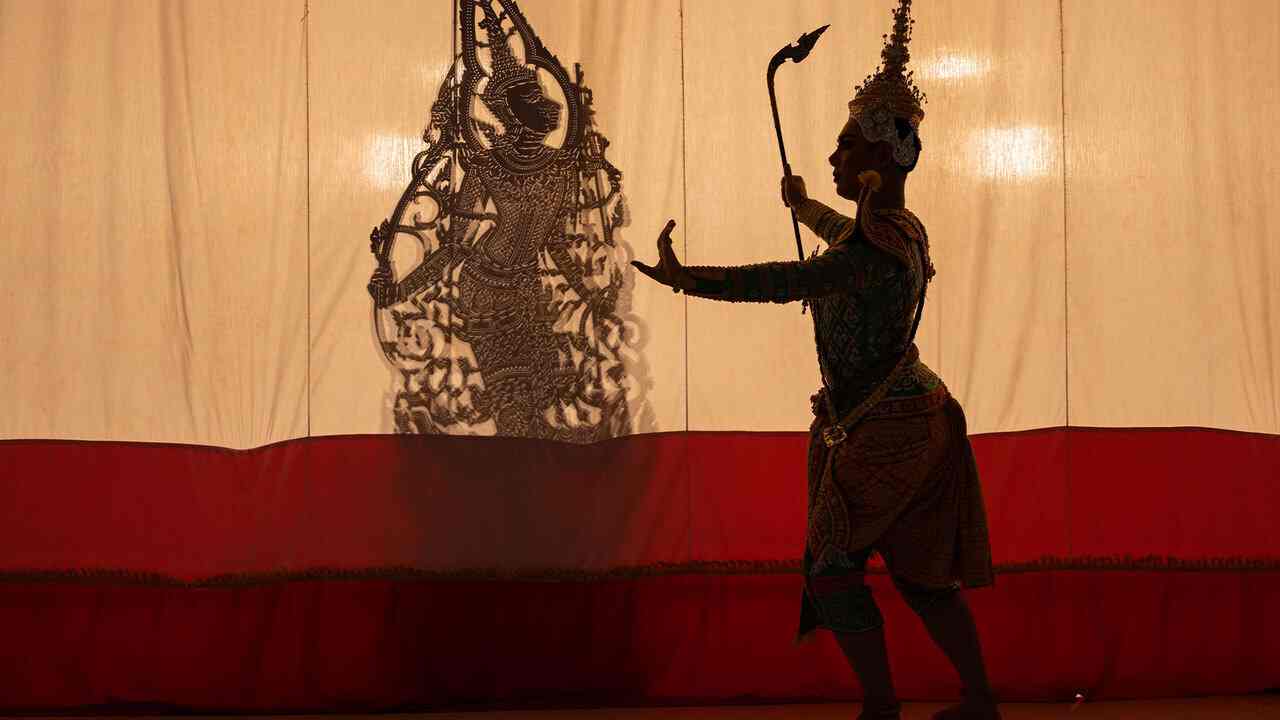
Wayang Kulit should be it. This shadow
puppet tradition uses intricately cut leather puppets, a white screen, and a
flickering lamp to cast otherworldly silhouettes.
The
dalang (puppet master) doesn’t
just move the puppets—he voices dozens of characters, directs the musicians, and
delivers philosophy, comedy, and drama all in one go.
-
Where to go: -
Yogyakarta, Java: Performances at Sonobudoyo
Museum and Kraton Palace. -
Ubud, Bali:
Evening shows at Ubud Palace and cultural centers.
-
What to expect: Shows can last
all night during full ceremonies, but tourist-friendly versions are 60–90 minutes.
Look for stories from the
Ramayana
or
Mahabharata.
-
Why it’s powerful: Even if you
don’t speak Bahasa Indonesia, the visuals and music speak volumes. The shadows seem
alive.
2. Nang Yai and Hun Lakhon Lek
– Thailand
Thailand has two main forms of traditional puppet arts:
-
Nang Yai: Large shadow puppets
made from cowhide, typically performed during festivals. -
Hun Lakhon Lek: Delicate rod puppets
manipulated by three dancers in perfect unison.
Hun Lakhon Lek is especially mesmerizing. You see the puppeteers, but the way they
move in sync makes the puppet feel heartbreakingly human.
-
Where to go: -
Bangkok: The Joe Louis Puppet Theatre and Baan
Silapin (Artist’s House) by the canal. -
Ratchaburi: Nang Yai Museum hosts occasional
shadow shows.
-
What to expect: Short
performances set to traditional music, often with commentary in Thai—but visuals
carry the emotion. Think ancient tales, royal stories, and playful spirits.
-
Why it’s powerful: It’s grace in
motion. You’ll forget you’re watching wood and cloth.
3. Sbek Thom – Cambodia
Sbek Thom is Cambodia’s version of shadow puppetry—and it’s massive, literally. The
puppets can be
up to 2 meters tall,
made from leather, and often require multiple puppeteers to operate.
Unlike Wayang Kulit, Sbek Thom is more ritualistic and spiritual, often performed
during special ceremonies and connected to the royal court.
-
Where to go: -
Phnom Penh: Cambodian Living Arts regularly
hosts performances. -
Siem Reap: Shadow puppet
shows in smaller venues or during temple festivals.
-
What to expect: Performances
drawn from the
Reamker (Cambodian
version of the Ramayana), accompanied by live Pinpeat orchestra. The visuals are
epic, almost trance-like.
-
Why it’s powerful: You feel like
you’ve stepped into a dream—or a sacred story being told by ancestors.
4. Vietnamese Water Puppetry –
Northern Vietnam
Perhaps the most unique of them all,
Múa rối
nước (water puppetry) is exactly what it sounds like: puppets
performing
on water.
Originating from flooded rice fields over 1,000 years ago, water puppetry tells
village stories—harvests, legends, dragons, and dances—all performed in a waist-deep
pool of water with puppeteers hidden behind a screen.
-
Where to go: -
Hanoi: Thang Long Water Puppet Theatre is the
most famous and tourist-accessible. -
Smaller
villages in the Red River Delta sometimes host traditional shows during Tet
(Lunar New Year).
-
What to expect: 45-minute shows
with music, narration (sometimes in English), and colorful wooden puppets splashing
across the water.
-
Why it’s powerful: It’s pure joy.
Whimsical, funny, and visually stunning—you’ll leave grinning.
5. Marionette Theater –
Myanmar (Burma)
In Myanmar,
Yoke thé is a classical
marionette tradition that blends dance, drama, and intricate handcraft.
Puppeteers here control
up to 18
strings on a single puppet—every eyebrow twitch and ankle turn
choreographed with care. It was once performed for Burmese royalty and now survives
as a powerful cultural art form.
-
Where to go: -
Bagan: Htwe Oo Puppet Theater is small,
family-run, and full of heart. -
Yangon and
Mandalay: Other venues occasionally host shows tied to local festivals.
-
What to expect: Stories of kings,
spirits, animals, and tricksters—all set to live music. The vibe is cozy,
old-school, and deeply expressive.
-
Why it’s powerful: The
craftsmanship. The emotion. The way a wooden puppet can look more alive than a real
actor.
Tips for Enjoying Puppet
Theater Like a Local
-
Don’t worry if you don’t speak the
language. Puppetry is visual, emotional, and often universal. -
Arrive early. Many shows are first-come
seating and fill up fast—especially village ones. -
Support local artists. Buy a handmade
puppet, a postcard, or leave a donation. -
Be present. No phones. No filming. Let
the stories unfold in real time.
So next time you're in Southeast Asia, skip a bar crawl and find a puppet show
instead. You’ll laugh, feel, wonder—and walk away with something more than just a
souvenir.
You’ll carry a story.