 Let’s be honest—most of us are glued to our routines. Morning coffee, traffic,
emails, repeat. So when I had the chance to spend a week with a nomadic tribe in Mongolia, I jumped at it. No
phones. No hot showers. No fixed address. Just wide-open land, yaks, and people
who know how to live with the wind.
Here’s what it’s really like to live with a nomadic tribe, and what I walked
away with (besides a newfound appreciation for fermented mare’s milk).
Let’s be honest—most of us are glued to our routines. Morning coffee, traffic,
emails, repeat. So when I had the chance to spend a week with a nomadic tribe in Mongolia, I jumped at it. No
phones. No hot showers. No fixed address. Just wide-open land, yaks, and people
who know how to live with the wind.
Here’s what it’s really like to live with a nomadic tribe, and what I walked
away with (besides a newfound appreciation for fermented mare’s milk).
The People: Mongolia’s Nomadic
Herders
I stayed with a family of
Khalkha
Mongols, the largest ethnic group in the country. They live in
gers (you might know them as yurts),
follow their livestock from pasture to pasture, and survive off the land in a way
that feels timeless.
Their world is all about
movement—not just physically, but
mentally too. Adaptability is their superpower. One day they’re milking goats on a
quiet hilltop. The next, they’re packing up the entire household onto a motorbike
cart and riding into a new valley.
Arrival: Stepping Into Their
World
I arrived by jeep after six hours of bumping over roads that didn’t seem to exist.
As we pulled up, the family came out smiling—no grand welcome, just warm handshakes
and a bowl of
airag (fermented
mare’s milk). Spoiler: it’s fizzy, tangy, and strong. Took me three tries to stop
making faces.
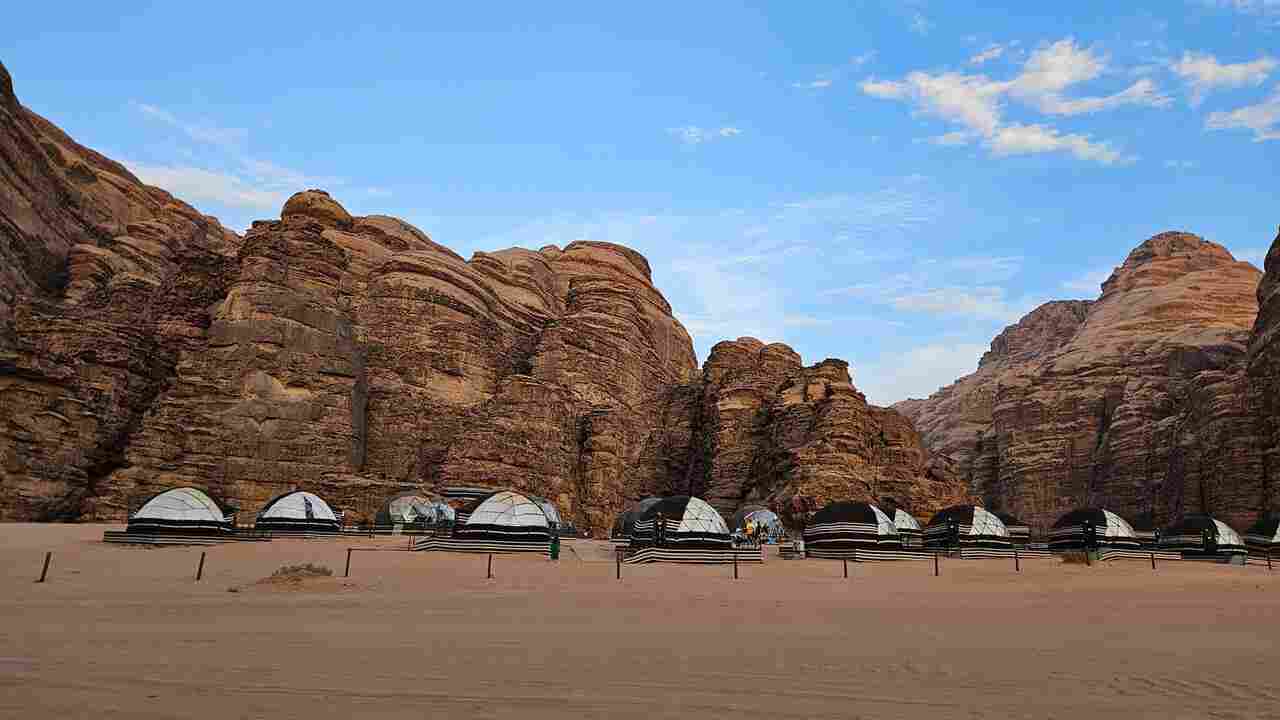
Their ger was circular, cozy, and filled with color. Handwoven rugs, a central
stove, and beds arranged around the edge. No electricity. No plumbing. But somehow,
it felt more functional and welcoming than many modern homes.
I was shown to my cot, handed a mug of salty milk tea, and told (through gestures
and a bit of broken translation): “Rest now. Tomorrow, we work.”
A Day in the Nomadic Life
Here’s how a typical day looked:
-
Sunrise: Wake up to goats
bleating and tea boiling. -
Morning
chores: Milking yaks, collecting dung for fuel, feeding calves. -
Midday: Tea, bread, maybe noodles
if there’s time. Then herding sheep, checking fences, repairing tools. -
Evening: More milking, more tea,
sometimes singing. Sleep early. Repeat.
There’s no schedule on the wall. You move with the light, the animals, the weather.
It’s rhythmic. Demanding. Surprisingly peaceful.
The Food: Simple but
Soul-Filling
Most meals involved
meat, dairy,
flour, and not much else. But every bite had purpose.
-
Boortsog: Fried dough snacks,
slightly sweet, served with jam or tea. -
Khuushuur: Deep-fried meat dumplings
that taste like crispy pillows of joy. -
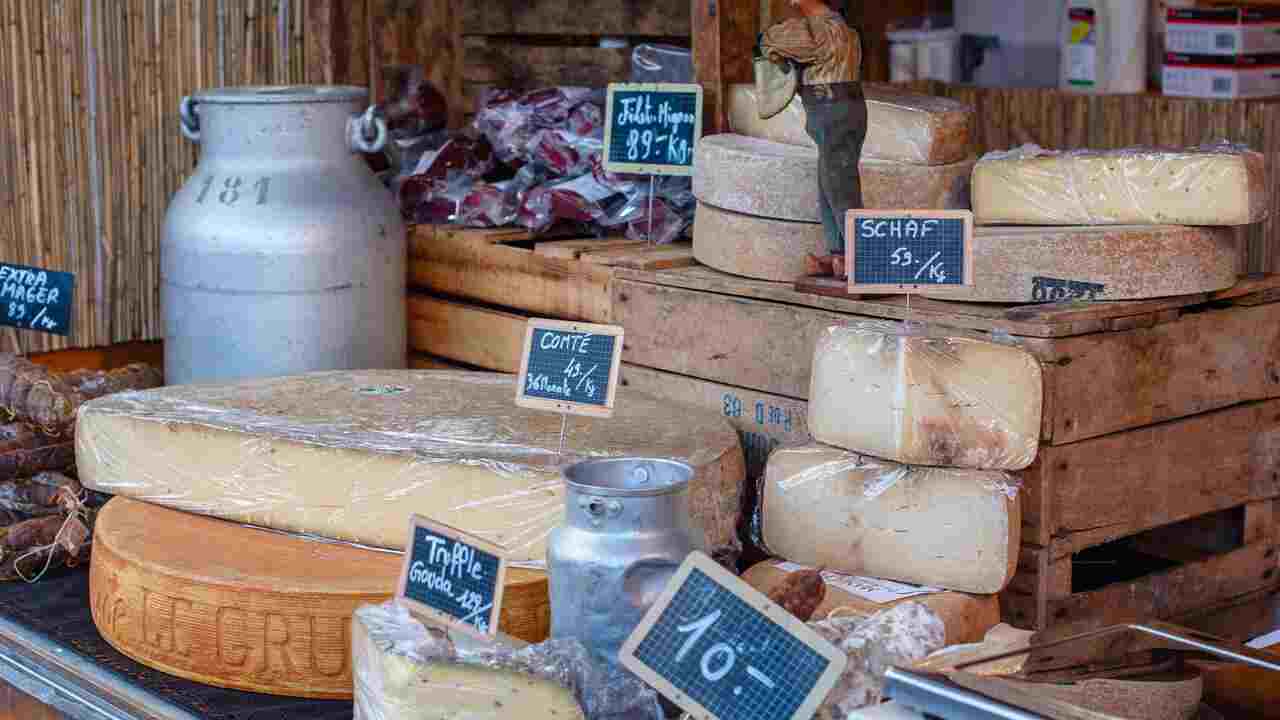
Tsagaan idee: A variety of dairy
products—cheeses, curds, and dried milk snacks. -
Meat stew: Often mutton or goat, boiled
with potatoes and carrots.
And yes—
airag again. By the third
day, I drank it like a local.
Conversations Without Words
I barely spoke Mongolian. They barely spoke English. But somehow, we talked.
We mimed. We laughed. We pointed at stars. They showed me family photos. I showed
them a picture of New York City, and they shook their heads like it was another
planet.
The grandmother tapped her heart, pointed at the mountains, and said, “Manai
gazar”—our land. That said more than any textbook could.
What Surprised Me Most
-
How much they laugh. Life is
tough—but their humor is constant. -
How
much they trust nature. If the sky darkens, they act. If the animals
shift, they listen. -
How resourceful they
are. A broken rope becomes a repair kit. A scrap of felt becomes a
patch. Nothing is wasted. -
How little they
need. One pot. One knife. One coat. And they’re good.
We worry about minimalism as a design trend. They live it out of instinct—and it’s
beautiful.
The Hard Parts
Not gonna lie—there were moments that tested me:
-
The cold. Even in spring, nights
dropped below freezing. -
The
toilets. Or rather, the lack thereof. -
The constant movement. Packing and
unpacking every couple days takes stamina. -
The solitude. Hours of silence can be
healing… or haunting.
But the hard parts are part of the lesson. Discomfort teaches appreciation.
Stillness teaches reflection.
What I Learned
-
Presence is power. They aren’t
checking their phones or multitasking. They do one thing at a time—and they do it
well. -
The Earth provides. Food,
shelter, fuel—it’s all there, if you know how to look. -
Flexibility is everything. They adapt
to weather, terrain, seasons. No complaints. Just action. -
Relationships matter. Their community
is tight. Neighbors show up without asking. Elders are listened to. Kids are raised
by everyone.
And perhaps most importantly:
-
We don’t need more. We need
enough.
How to Do It
If you want to live with a nomadic family, here’s how to make it meaningful:
-
Go through a trusted local guide or
NGO. Avoid tourist traps or staged “cultural shows.” -
Bring gifts, not stuff. Think
headlamps, good knives, or useful tools—not trinkets. -
Learn basic phrases. Even “thank you”
(bayarlalaa) goes a long way. -
Be
open. To trying, to failing, to sitting in silence. That’s where the
connection happens. -
Leave your
expectations—and your ego—at the door.
Living with a nomadic tribe wasn’t easy. But it was real. It stripped away noise and
made space for truth.