 So, you think you’ve seen the Great Barrier Reef? Maybe from a boat, a snorkel
mask, or a cute little drone shot? Yeah, same here—until I jumped out of a plane
at 15,000 feet above it. That’s when the reef stopped being a postcard and
became the most heart-pounding, awe-inspiring thrill of my life.
Skydiving over the reef isn’t just about adrenaline (though, oh wow, there’s
plenty of that). It’s about seeing this natural wonder from a view most people
never will—free-falling toward a stretch of the planet so wild and alive it
actually glows from the sky.
If you’ve ever flirted with the idea of skydiving, this is the place to do it.
Here's what it's really like.
So, you think you’ve seen the Great Barrier Reef? Maybe from a boat, a snorkel
mask, or a cute little drone shot? Yeah, same here—until I jumped out of a plane
at 15,000 feet above it. That’s when the reef stopped being a postcard and
became the most heart-pounding, awe-inspiring thrill of my life.
Skydiving over the reef isn’t just about adrenaline (though, oh wow, there’s
plenty of that). It’s about seeing this natural wonder from a view most people
never will—free-falling toward a stretch of the planet so wild and alive it
actually glows from the sky.
If you’ve ever flirted with the idea of skydiving, this is the place to do it.
Here's what it's really like.
Why the Great Barrier Reef?
First off: it's massive. Like, visible-from-space massive. Stretching over 1,400
miles along Australia’s northeast coast, the Great Barrier Reef is the largest coral
reef system in the world. And yeah, it's beautiful up close—turtles, neon fish,
coral gardens—but from the sky?
It’s something else entirely.
Imagine looking down and seeing swirls of turquoise, cobalt, and deep sea blue
blending into each other like an abstract painting. The reef’s shape shifts as your
plane climbs, going from colorful smudges to a living map of lagoons, atolls, and
islands. Honestly, it’s kind of hypnotic—until the door opens.
The Build-Up: Butterflies and
Harnesses
It all starts at a small airfield near Cairns or Airlie Beach—two of the most
popular reef-skydive hubs. After signing your life away (kidding... sort of), you’re
suited up in a jumpsuit and strapped into a tandem harness with your instructor,
who, thankfully, is not new at this.
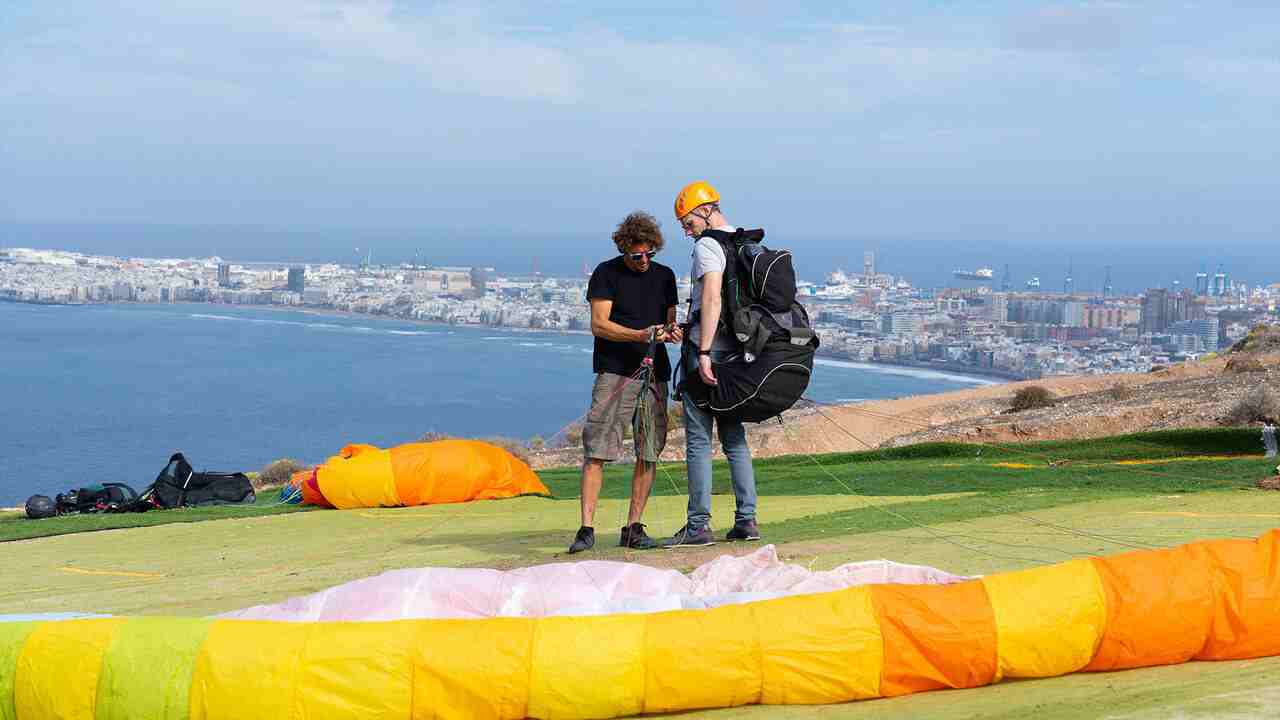
You get a quick briefing: how to hold your arms, when to arch your back, and what
not to do (flailing wildly, for example). Then it’s time to board the tiny plane.
As the aircraft climbs, so does your heart rate. The reef stretches out below like a
living mosaic. Your instructor might tap you on the shoulder and point out a reef
formation or a speck of an island. You nod, but inside you’re just trying to
remember how to breathe.
The Door Opens (and So Does
Your Mind)
When that side door rolls open at 15,000 feet, the wind punches in and your brain
goes, “Wait, wait, wait—this wasn’t the plan.”
But it is.
With zero chance to overthink, you’re suddenly out of the plane, free-falling toward
Earth at 200 kilometers an hour.
And here’s the thing: it doesn’t feel like falling. It feels like floating really,
really fast. Your cheeks flap. Your ears roar. But your eyes? Locked on the view.
You’re above the clouds. Below, the reef sparkles like a sapphire necklace dropped
on the ocean. Islands dot the horizon. The sun makes the water glitter. And your
fear?
Gone. Just like that.
The Parachute Opens—and So
Does the Silence
About 60 seconds later, your instructor pulls the cord. There's a sudden whoosh,
then a gentle yank—and everything slows down.
Now you’re gliding.
The noise of the fall disappears, replaced by the surreal quiet of wind and wonder.
You drift over islands, boats, coral patches that look like giant sea flowers.
You’ve got minutes up here. And let me tell you—they last forever in the best way.
You can even chat now.
“I see a turtle!” your instructor might yell. Or, “That’s Green Island over there!”
You nod, still trying to believe this is real life.
Landing and Shaky Legs
Touching down is smooth. Soft sand or grassy field—depending on your location. Your
instructor handles the steering, and you just lift your legs and glide in like
you’re landing on a cloud.
Then you stand up, and—whoa—your legs are spaghetti.
You laugh. You hug your instructor (or high-five awkwardly). You take off your
goggles and suddenly the sky seems a lot closer than it used to be.
You did it.
What It Costs (And Is It Worth
It?)
Let’s talk numbers. Most jumps over the reef cost between AUD $350–$450 (about USD
$230–$300), depending on the package. Photos and videos are extra—but trust me,
you’ll want the video. Your face mid-fall? Priceless.
Is it worth it? Absolutely.
You're not just paying for the thrill (though that’s huge). You’re paying for a
once-in-a-lifetime view, a memory you’ll tell at every dinner party, and the feeling
of doing something that scared you—then loving it.
Who Can Do It?
Most skydiving companies in Australia welcome first-timers. You don’t need
experience, just a bit of courage and the ability to follow instructions.
There are weight limits (usually around 100kg/220lbs), and some health conditions
may require a doctor's note. But if you’re reasonably healthy and adventurous?
You're in.
Ages range from 16 to 70+. One woman celebrated her 80th birthday with a reef jump.
So yeah, you’ve got time.
What to Know Before You Jump
-
You’ll be nervous. That’s normal.
Everyone is. -
You don’t have to “do”
anything. Your instructor handles the jumping, steering, and landing.
You just enjoy the ride. -
It’s loud up
there. Don't expect quiet Zen vibes until the parachute opens. -
It goes fast. From the plane door
to landing takes about 5–7 minutes. -
It
changes you. Not in a woo-woo way, but in a “wow, I can do hard things”
way.
Bonus: Make a Day of It
Most companies offer packages that include reef boat tours, snorkeling, or a scenic
flight back. So after you jump, you can celebrate with a cold drink and go see the
reef up close. You’ve already flown over it—why not swim in it too?
Skydiving over the Great Barrier Reef is equal parts terrifying and thrilling. It’s
the kind of thing you do once, but carry with you forever.