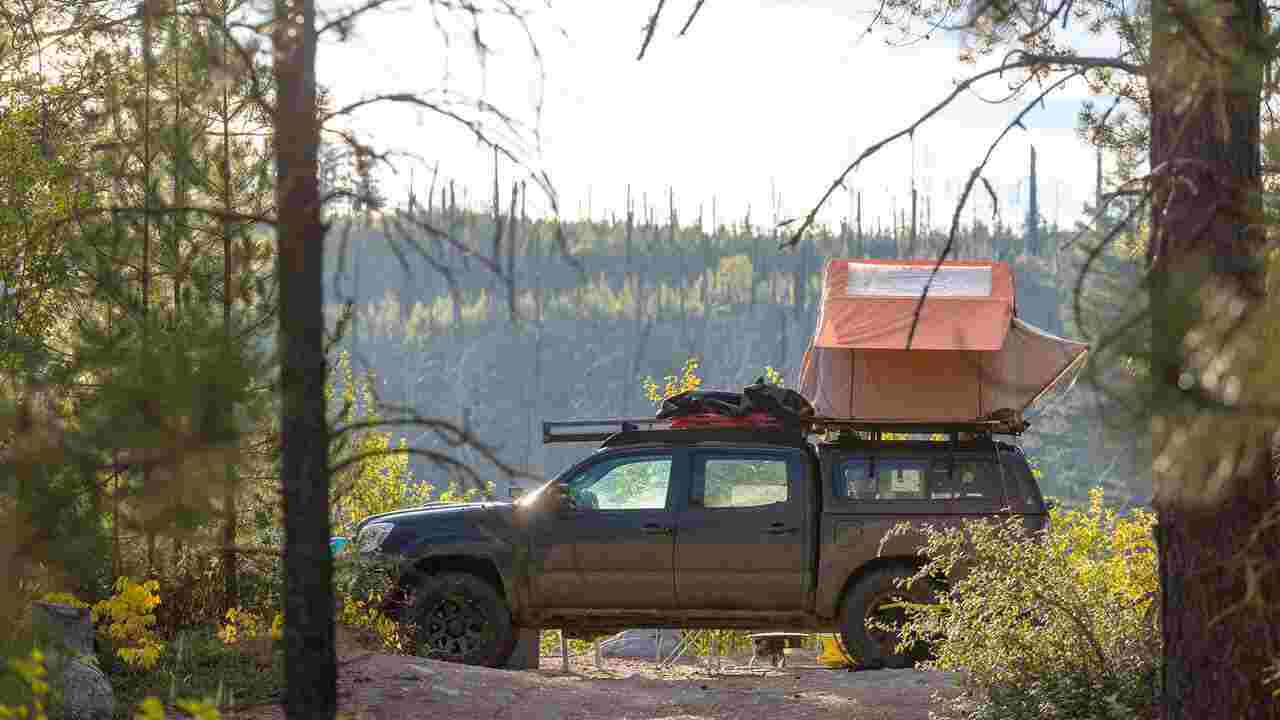
 Imagine a place where there are no cars, no cell service, no power outlets, and
absolutely no one telling you when to go to bed or where to pitch your tent. A
place where you pack in everything you need, leave all your expectations behind,
and fall asleep to nothing but wind and wild silence.
Welcome to Lake Clark National Park,
Alaska, home to one of America’s most remote off-grid
campgrounds—and one of its best-kept secrets.
If you're tired of crowded campsites, screaming RV generators, and marshmallow
thievery by raccoons, this is your dream escape. Just be ready to earn it.
Imagine a place where there are no cars, no cell service, no power outlets, and
absolutely no one telling you when to go to bed or where to pitch your tent. A
place where you pack in everything you need, leave all your expectations behind,
and fall asleep to nothing but wind and wild silence.
Welcome to Lake Clark National Park,
Alaska, home to one of America’s most remote off-grid
campgrounds—and one of its best-kept secrets.
If you're tired of crowded campsites, screaming RV generators, and marshmallow
thievery by raccoons, this is your dream escape. Just be ready to earn it.
Wait, Where Even Is Lake
Clark?
Lake Clark National Park is tucked into the remote southwestern corner of Alaska,
about 100 miles from Anchorage. There are no roads that lead into the park. The only
way in? Small bush plane or floatplane. That’s right—you literally fly into your
campsite.
It’s so remote that even most Alaskans haven’t been there. But those who make the
journey are rewarded with raw, untouched beauty: turquoise lakes, towering
volcanoes, grizzly bears (yep), and the kind of silence you can
feel.
The Campground: Backcountry
With a Capital B
There are no established campgrounds with fire rings or picnic tables. In Lake
Clark, every campsite is “dispersed,” meaning you pick a spot that feels right (and
safe), and set up camp on your own.
One of the most popular access points is
Twin Lakes, near the historic cabin of
wilderness legend Dick Proenneke. It's as picturesque as it sounds—two mirror-still
lakes surrounded by alpine peaks, with moose sometimes wandering right through your
camp.
You’ll need a permit for backcountry camping, but there are no quotas or lotteries.
Just register, plan smart, and go.
What Makes It So Special?
Honestly, everything.
- There’s no noise. Like, none. No roads, no flight paths, no hum of civilization.
Just loons calling and the breeze. - You make the rules. Want to fish all day? Cool.
Nap on a rock? Go for it. Eat freeze-dried mac & cheese at 2 a.m.? No judgment here.
- It’s the ultimate digital detox. No bars. No pings. Just pine trees, lakes, and
your own thoughts. - It’s wild—like really wild. This isn’t a manicured national
park. This is raw wilderness. You’ll feel it in your bones.
Getting There (A Whole
Adventure Itself)
First, fly to Anchorage. From there, you’ll charter a small plane—typically a bush
plane with tundra tires or a floatplane if you’re landing on water. Several local
air taxi services can drop you near Twin Lakes or other popular areas in the park.
Flight time? About 1.5 hours. Cost? Around $400–$700 round trip, depending on how
many people and gear you’re bringing.
Yes, it’s pricey. But it’s also the experience. Watching the Alaskan landscape roll
by beneath a tiny plane window is worth the ticket alone.
What to Expect (Besides Pure
Awe)
Let’s be honest—this isn’t car camping. Here’s what you're signing up for:
- No facilities. That means no bathrooms, no water taps, no shelters. - Bear safety
is real. You’ll need to carry bear spray, store food properly, and know what to do
if you run into a grizzly (spoiler: don’t run). - Weather swings hard. It can be
sunny at noon and snowing by dinner. Be ready for anything. - Navigation matters.
You’ll need a map, compass, GPS—or ideally all three.
And yet… it’s completely worth it.
Because when you wake up to the sun rising over snow-dusted peaks, with mist curling
off the lake and zero human noise anywhere, it all makes sense.
What to Bring
Here’s a quick list of what you’ll want to pack (and double-check):
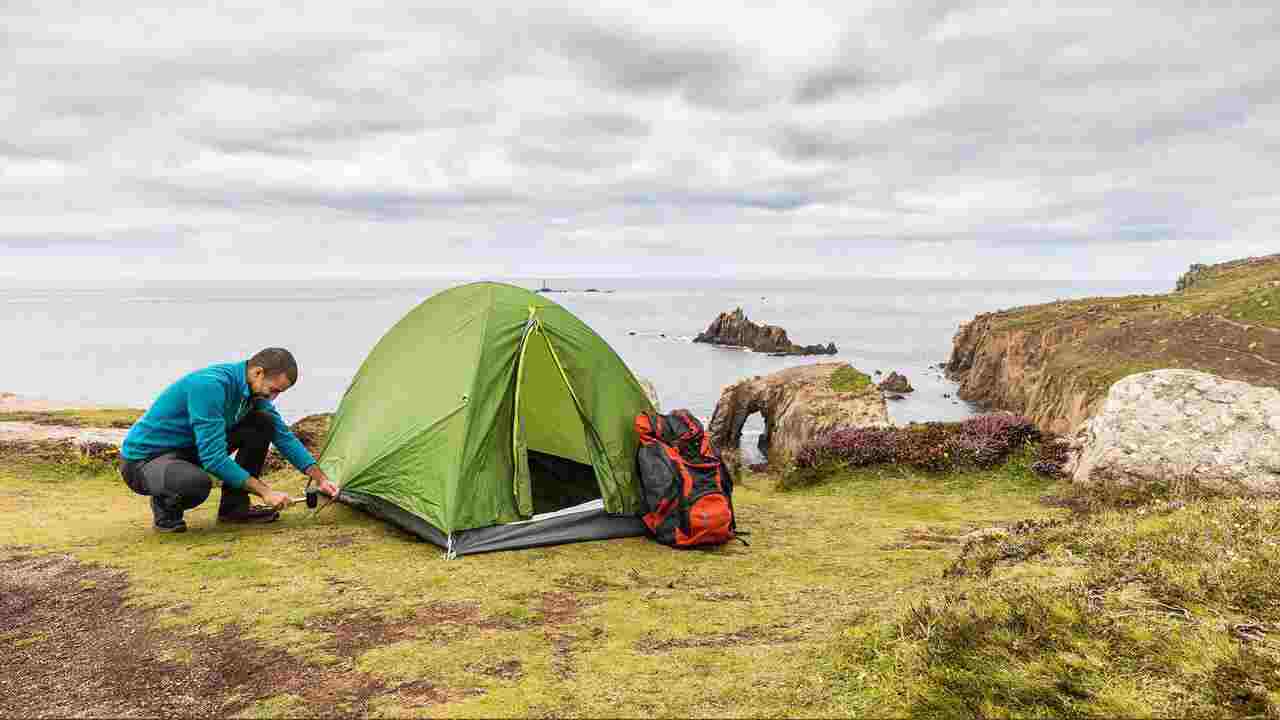
- Backpacking tent (lightweight but weather-tough) - Bear canister or bear hang kit
- Warm sleeping bag + pad - Jetboil or stove + fuel - Lightweight food (freeze-dried
meals are your friend) - Water filter or purification tablets - Rain gear + layers
(never trust Alaska’s weather) - First aid kit - Satellite communicator (no cell
signal—this is a smart backup) - Headlamp, knife, duct tape (because, always)
Oh, and don’t forget your sense of humor. It’ll come in handy when your tent flaps
all night or you drop your only spoon in the lake.
Is This for Everyone?
Nope. And that’s okay.
If you love luxury camping, flush toilets, and nightly s’mores around a
campfire—this might feel like punishment. But if you crave real solitude, raw
nature, and adventure with a little uncertainty, it’ll be heaven.
You’ll hike without a trail. Cook with a view. Sleep where moose roam. And every
single thing you do will feel just a little more earned.
One Night or a Week?
Most people stay 2–5 nights, but some experienced backpackers spend over a week
exploring the park’s rivers, alpine valleys, and glacier-fed lakes.
Whether you go for one night or ten, the experience will reset something inside you.
It’s humbling. It’s grounding. It’s unforgettable.