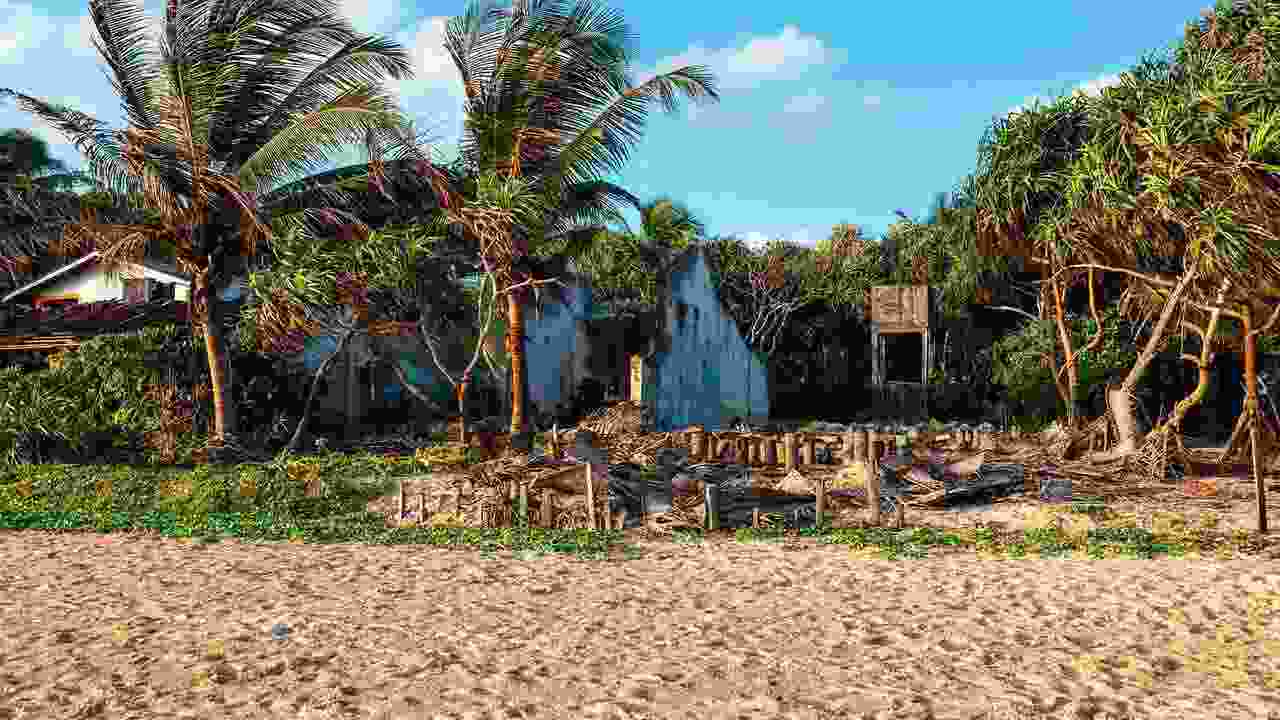
 Imagine stepping off a boat and into a postcard from another era—no cell
service, no traffic, no modern noise. Just cobbled streets, vintage cars, soft
music drifting from a radio, and a way of life that feels frozen in time. That’s
what it’s like to visit Isla
Holbox, a tiny island off Mexico’s Yucatán Peninsula, where the
clock seems to have stopped somewhere around the 1950s—and nobody’s in a hurry
to wind it forward.
Holbox (pronounced “hole-bosh”) isn’t just another beach destination. It’s a
place where time slows down, where nature is respected, and where the past is
woven into the everyday. If you’ve ever dreamed of escaping the noise of now,
this forgotten island might be exactly what you’re looking for.
Imagine stepping off a boat and into a postcard from another era—no cell
service, no traffic, no modern noise. Just cobbled streets, vintage cars, soft
music drifting from a radio, and a way of life that feels frozen in time. That’s
what it’s like to visit Isla
Holbox, a tiny island off Mexico’s Yucatán Peninsula, where the
clock seems to have stopped somewhere around the 1950s—and nobody’s in a hurry
to wind it forward.
Holbox (pronounced “hole-bosh”) isn’t just another beach destination. It’s a
place where time slows down, where nature is respected, and where the past is
woven into the everyday. If you’ve ever dreamed of escaping the noise of now,
this forgotten island might be exactly what you’re looking for.
Where Is It, Exactly?
Isla Holbox is located at the northern tip of the Yucatán Peninsula, just off the
coast of the state of Quintana Roo. Despite being part of the same region as Cancun,
Tulum, and Playa del Carmen, Holbox feels like it’s in a completely different world.
It’s separated from the mainland by a shallow lagoon teeming with flamingos,
pelicans, and other wildlife.
To get there, you drive or take a bus to the small town of Chiquilá, where a short
ferry (about 25 minutes) will drop you off at the island’s only port. From there,
it’s a short walk or golf cart ride—yes, golf cart—into the heart of the village.
No Cars, No Problem
One of the first things you’ll notice: there are no cars on Holbox. The sandy
streets aren’t built for them, and honestly, they’re not needed. Locals and visitors
get around via bikes, golf carts, or good old-fashioned walking. It adds to the
relaxed, almost dreamlike atmosphere. You hear birds and waves instead of engines.
The island literally moves at a slower pace.
That 1950s Feeling
So, what makes Holbox feel like it’s stuck in time? It’s a combination of things.
The buildings are low and colorful, hand-painted with murals and signs. Fishermen
still head out each morning to bring back the day’s catch. Families gather in the
plaza for ice cream. Radios play old salsa and boleros. Shops open late and close
early—because sunset is the main event.
You won’t find chain stores, big resorts, or flashing neon. There’s Wi-Fi in some
cafés, sure, but most people end up putting their phones away. It’s the kind of
place where you actually talk to strangers, read a paperback, or just sit and watch
the sky change color.
What to Do
#### 1.
Swim with Whale Sharks
From June to September, Holbox is one of the best places in the world to swim with
whale sharks—gentle giants that glide through the water like living submarines.
Guided tours leave early in the morning, and while the trip takes a few hours, the
experience is unforgettable.
#### 2.
See the Bioluminescence
On moonless nights, certain beaches on Holbox glow with natural bioluminescence.
Tiny organisms in the water light up when disturbed, making your footsteps sparkle
as you wade through the shallows. No filter can do it justice—it’s pure magic.
#### 3.
Watch Flamingos and
Wildlife
Holbox sits next to the Yum Balam Nature Reserve, a haven for birdwatchers and
wildlife lovers. Flamingos, herons, osprey, and even crocodiles can be spotted. Rent
a kayak or take a local tour to explore the lagoons and mangroves.
#### 4.
Try the Lobster Pizza
It sounds weird. It’s actually amazing. Holbox is famous for its lobster pizza—a
unique local specialty that somehow combines fresh-caught seafood with cheesy
perfection. You’ll find it in several restaurants, and yes, it’s worth the hype.
#### 5.
Walk the Sandbars
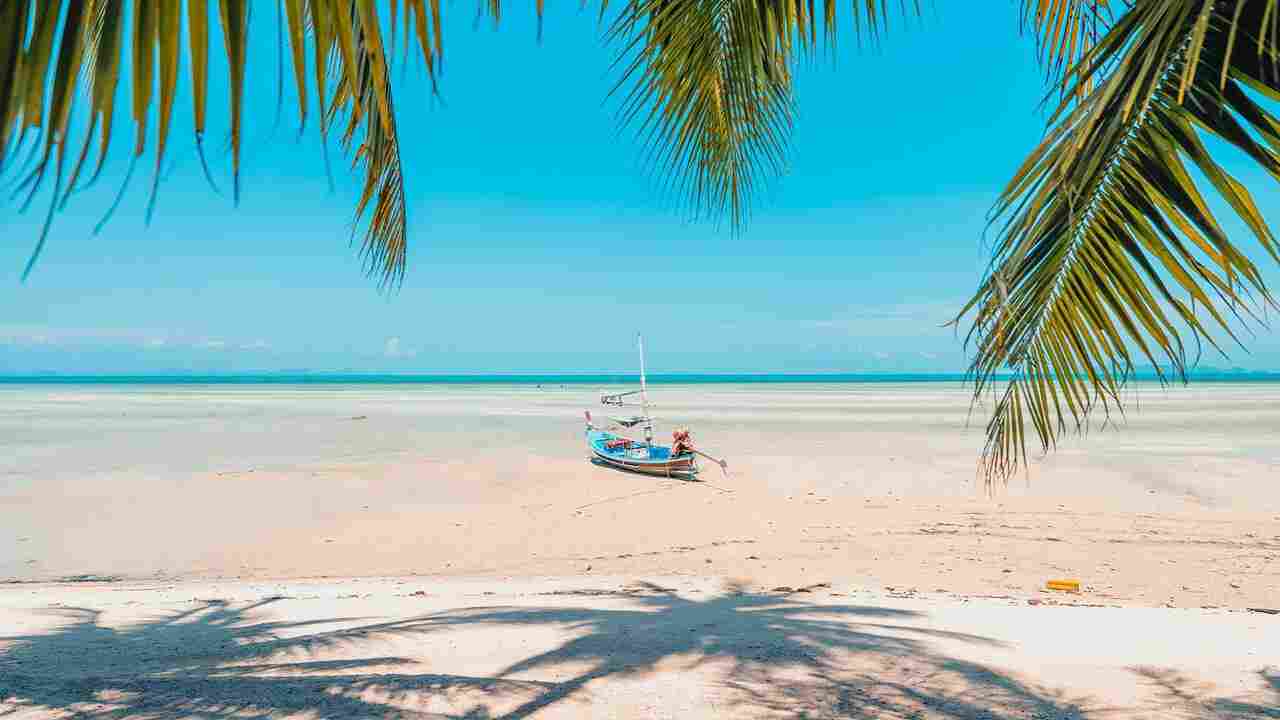
At low tide, you can walk out along sandbars that stretch far into the sea. It feels
like walking on water, especially at sunrise. Bring your camera, but don’t rush. The
silence and scenery are the main attractions.
Where to Stay
Holbox has plenty of options, from budget-friendly hostels to boutique eco-hotels
with rooftop pools and sea views. A few top picks include:
-
Casa Las Tortugas – Stylish,
sustainable, and steps from the beach. -
Tribu Hostel – Colorful, social, and
great for meeting other travelers. -
Ser
Casasandra – Artful, quiet, and beautifully curated.
Expect to pay anywhere from $20 a night for a dorm bed to $200+ for beachfront
luxury. Most places are small-scale and family-owned.
Getting Around
As mentioned, there are no cars. Rent a bike (usually $10–15/day), hail a golf cart
taxi, or just walk. The island is only about 26 miles long and 1 mile wide—small
enough to explore but big enough to find your own quiet corner.
When to Go
The best time to visit Holbox is during the dry season: November to April. You’ll
get sunny days, calm seas, and cooler nights. Whale shark season is June through
September, but that’s also the rainy season—expect short downpours and occasional
flooding.
Try to avoid major Mexican holidays unless you’re ready for a party. Holbox still
feels chill most of the year, but its secret is slowly getting out.
Tips Before You Go
-
Cash is essential. There are very
few ATMs on the island, and they sometimes run out of money. Bring pesos from the
mainland. -
Mosquitoes are real.
Especially at dusk and near the mangroves. Pack repellent. -
Respect the pace. Things move slower
here. Embrace it. Don’t expect instant service or city-style convenience.
Holbox isn’t polished. That’s the point. It’s dusty streets, slow sunsets, and a
lifestyle that whispers instead of shouts. It’s a place that reminds you of how
simple things used to be—and how good that can feel.